
- Developer PixelPride Studios
- Publisher Daman Games
- Release Date 15 March 2024
- Genre Action, Adventure, Battle Royale
- Platforms Android, iOS, PC
- Game Modes Single-player, Multiplayer
- Languages Hindi, English, Assamese, Bengali, Manipuri, Mizo
- Rating 4.3/5 (750k+ Reviews)
- Downloads 10M+ (India)
Introduction
Seven Sisters Gladiator is a groundbreaking desi action-adventure battle royale game that pays homage to India’s Northeast region – popularly known as the “Seven Sisters” (Assam, Arunachal Pradesh, Meghalaya, Manipur, Mizoram, Nagaland, Tripura). Developed by Kolkata-based PixelPride Studios and published by Daman Games, the game blends rich cultural heritage with fast-paced, competitive gameplay to create an experience that resonates deeply with Indian gamers, especially those seeking representation of regional diversity in the gaming landscape.
Unlike generic battle royale titles that rely on Western tropes, Seven Sisters Gladiator dives into the vibrant traditions, landscapes, and mythologies of the Northeast. From the misty hills of Meghalaya to the Brahmaputra’s fertile plains, every map, character, and weapon is designed to reflect the region’s unique identity. The game’s core premise – seven warriors, each hailing from one of the Seven Sisters states, uniting to defeat an ancient evil – not only drives the plot but also celebrates the spirit of unity in diversity that defines India.
Launched in March 2024, Seven Sisters Gladiator quickly gained traction among desi gamers, crossing 5 million downloads within its first month and becoming a top-trending game on Google Play Store and Apple App Store. Its success can be attributed to its authentic cultural representation, accessible gameplay, and commitment to addressing the underrepresentation of Northeast India in mainstream gaming. For many players, especially those from the Northeast, the game is more than just entertainment – it’s a source of pride, as it showcases their culture to a pan-Indian audience with respect and accuracy.
The game’s tagline, “Heritage in Battle, Courage in Unity,” encapsulates its dual focus: honoring tradition while delivering the thrills of competitive gaming. Whether you’re a casual player looking to explore a new world or a hardcore gamer chasing victory, Seven Sisters Gladiator offers something for everyone – from a story-driven single-player campaign that delves into Northeast mythology to a chaotic 100-player battle royale mode set in iconic regional landscapes.
Gameplay
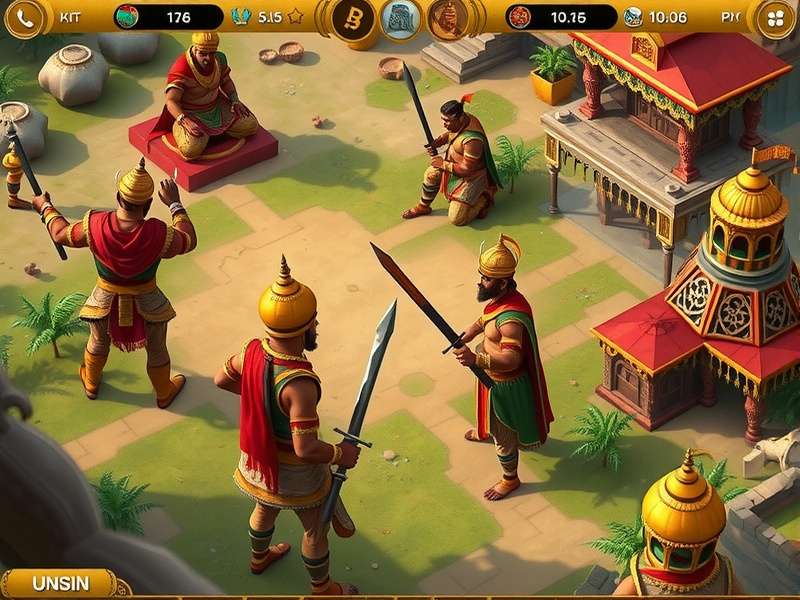
Seven Sisters Gladiator combines the core mechanics of battle royale with unique desi twists and cultural elements, creating a gameplay experience that feels both familiar and fresh. The game is designed to be accessible to mobile gamers (who form the majority of India’s gaming community) while offering enough depth to engage PC players. Controls are intuitive, with customizable layouts to suit different playstyles, and the game’s optimization ensures smooth performance even on mid-range devices – a crucial feature for gamers in tier-2 and tier-3 cities.
Core Mechanics
At its heart, Seven Sisters Gladiator follows the classic battle royale formula: players drop into a large map, loot resources, eliminate opponents, and be the last one standing. However, the game adds several unique mechanics that set it apart from competitors:
- Cultural Abilities: Each character has a unique ability inspired by their state’s culture. For example, the Assamese character can summon a herd of elephants to charge enemies, while the Mizo character can use traditional “dao” (machete) skills to deliver high-damage melee attacks.
- Desi Loot System: Instead of generic guns and gear, loot includes traditional weapons like the Manipuri “thang-ta” (sword and shield), Tripuri “lathi” (bamboo staff), and Nagaland “gung” (traditional firearm), alongside modern weapons for balance. Players can also find cultural items like “gamosa” (Assamese scarf) that act as healing items or “jainsem” (Meghalayan dress) that provides armor.
- Environmental Interaction: Maps are filled with interactive elements rooted in Northeast culture. Players can hide in Meghalaya’s living root bridges, use Assam’s bamboo rafts to cross rivers, or take cover in Nagaland’s tribal longhouses. These elements not only add strategy but also immerse players in the region’s landscape.
- Festive Events: The game regularly hosts events tied to Indian festivals like Bihu, Diwali, and Hornbill Festival. During these events, maps are decorated with traditional motifs, and players can earn limited-edition skins, weapons, and in-game currency by completing festival-themed challenges.
Game Modes
1. Hornbill Arena (Battle Royale)
The flagship mode of Seven Sisters Gladiator, Hornbill Arena supports 100 players in a free-for-all battle across a 10km x 10km map inspired by the Seven Sisters states. The map is divided into distinct zones, each reflecting a state’s geography – from Arunachal Pradesh’s snow-capped peaks to Tripura’s lush forests.
- Dynamic circle collapse that forces players into closer combat
- Vehicle spawns including traditional “tractor” (popular in rural Northeast) and modern SUVs
- Air drops with rare loot like the “Naga Spear” (one-hit kill weapon)
- Squad mode (2-4 players) and solo mode options
2. Heritage Campaign (Single-Player)
A story-driven mode that follows the journey of the seven gladiators as they unite to defeat the “Asura King,” an ancient evil that seeks to destroy the Northeast’s cultural heritage. The campaign consists of 21 missions (3 per state), each featuring unique challenges and boss battles.
- Cinematic cutscenes with Hindi and regional language voiceovers
- Puzzle-solving elements tied to Northeast traditions (e.g., decoding Mizo scripts)
- Character-specific missions that explore each gladiator’s backstory
- Offline play option for areas with poor internet connectivity
3. Tribal Clash (Team Deathmatch)
A fast-paced 5v5 mode where two teams (representing different Northeast tribes) battle to reach 50 kills first. The mode features smaller maps with tight corners and plenty of cover, emphasizing close-quarters combat.
- 10-minute matches for quick gameplay sessions
- Team-based objectives like capturing “cultural relics” for bonus points
- Customizable loadouts with a mix of traditional and modern weapons
- Rewards include tribal-themed skins and in-game currency
4. Festival Challenges (Limited-Time)
Seasonal modes tied to Indian festivals, offering unique gameplay and exclusive rewards. For example:
- Bihu Bash: Players collect “Bihu Rongali” items to earn points, with a special elephant mount as the grand reward
- Hornbill Hunt: During Nagaland’s Hornbill Festival, players hunt virtual birds and compete for the highest score
- Diwali Duel: Maps are lit with diyas, and players can use “cracker bombs” to damage opponents
In-Game Economy
Seven Sisters Gladiator features a player-friendly in-game economy that avoids pay-to-win mechanics – a key concern for Indian gamers. The primary currency is “Desi Coins,” which can be earned through gameplay (completing missions, winning matches, daily logins) or purchased via microtransactions. Players can use Desi Coins to buy:
- Character skins (traditional attire variants, festive outfits)
- Weapon skins (engraved with Northeast tribal patterns)
- Emotes and taunts inspired by regional dances (e.g., Bihu dance emote)
- Battle Passes (seasonal content with exclusive rewards)
The game also offers a “Low Data Mode” for players with limited internet plans, reducing data usage by 50% without compromising core gameplay. This feature has been widely praised by gamers in rural areas, where internet connectivity is often spotty.
Plot
The story of Seven Sisters Gladiator is rooted in Northeast Indian mythology, drawing inspiration from local folktales and legends. The game is set in a fictionalized version of the Seven Sisters states, where the “Spirit of the Northeast” – a mystical force that protects the region’s culture and natural beauty – is under threat from the Asura King, an ancient demon who was sealed away centuries ago by seven tribal warriors.
Centuries later, the Asura King breaks free from his prison, fueled by modern-day greed and destruction (deforestation, cultural erosion, and neglect of regional traditions). His goal is to absorb the Spirit of the Northeast, granting him unlimited power and allowing him to conquer not just the Northeast but the entire Indian subcontinent. To achieve this, he begins destroying cultural landmarks, kidnapping tribal elders, and spreading darkness across the land.
The Prophecy
According to an ancient prophecy inscribed on a stone tablet in Meghalaya’s Living Root Bridge, seven warriors – one from each of the Seven Sisters states – will rise to challenge the Asura King. These warriors, known as the “Seven Sisters Gladiators,” are descendants of the original tribal warriors who sealed the demon away. Each gladiator possesses a fragment of the Spirit of the Northeast, giving them unique abilities tied to their state’s culture and geography.
The prophecy foretells that the gladiators must unite, putting aside their differences, to wield the “Trishul of Unity” – a legendary weapon forged from the combined spirits of the Seven Sisters. Only with this weapon can they defeat the Asura King and restore balance to the region.
Key Story Arcs
The Heritage Campaign is divided into three main story arcs, each focusing on a different phase of the gladiators’ journey:
Arc 1: The Awakening (Missions 1-7)
Each gladiator is awakened to their destiny through a personal tragedy. For example:
- Priya Bora (Assam) witnesses her village being destroyed by the Asura King’s minions, who are after a sacred “gamosa” that holds a fragment of the Spirit of the Northeast.
- Rajiv Thapa (Arunachal Pradesh), a young monk, discovers that his monastery’s ancient scriptures – which contain clues about the prophecy – are stolen by the demon’s army.
- Maya Sangma (Meghalaya), a botanist studying living root bridges, finds that the bridges are withering away as the Spirit of the Northeast weakens.
Each gladiator embarks on a solo mission to retrieve their state’s sacred artifact (e.g., Assam’s gamosa, Manipur’s thang-ta) and unlock their powers. By the end of Arc 1, the seven gladiators cross paths in Guwahati, where they learn about the prophecy and decide to team up.
Arc 2: The Quest for Unity (Missions 8-14)
The gladiators travel across the Seven Sisters states to gather the materials needed to forge the Trishul of Unity. Along the way, they face challenges that test their trust and teamwork. For example:
- In Nagaland, they must earn the trust of a tribal clan that initially sees them as outsiders.
- In Mizoram, they solve a series of puzzles based on Mizo folklore to retrieve a rare gemstone.
- In Tripura, they battle a powerful demon general who guards a forge needed to craft the Trishul.
During this arc, the gladiators also learn about the Asura King’s backstory: he was once a tribal chieftain who turned to darkness after his people were betrayed by outsiders. This adds depth to the villain, making him more than just a generic evil force.
Arc 3: The Final Battle (Missions 15-21)
The gladiators forge the Trishul of Unity and march to the Asura King’s fortress, located in the heart of a dormant volcano in Arunachal Pradesh. The final missions involve battling the demon’s most powerful minions, including corrupted versions of Northeast wildlife (e.g., a giant elephant possessed by dark magic) and fallen tribal warriors.
The climax of the game is a epic battle against the Asura King, where each gladiator must use their unique abilities in harmony to weaken him. The battle features multiple phases, with the Asura King gaining new powers as the fight progresses. In the end, the gladiators use the Trishul of Unity to seal the demon away once again – but not before he warns them that darkness will return if the Northeast’s culture is forgotten.
The post-credits scene teases a sequel, showing a new threat emerging from the Bay of Bengal, hinting that the Seven Sisters Gladiators’ journey is far from over.
Characters
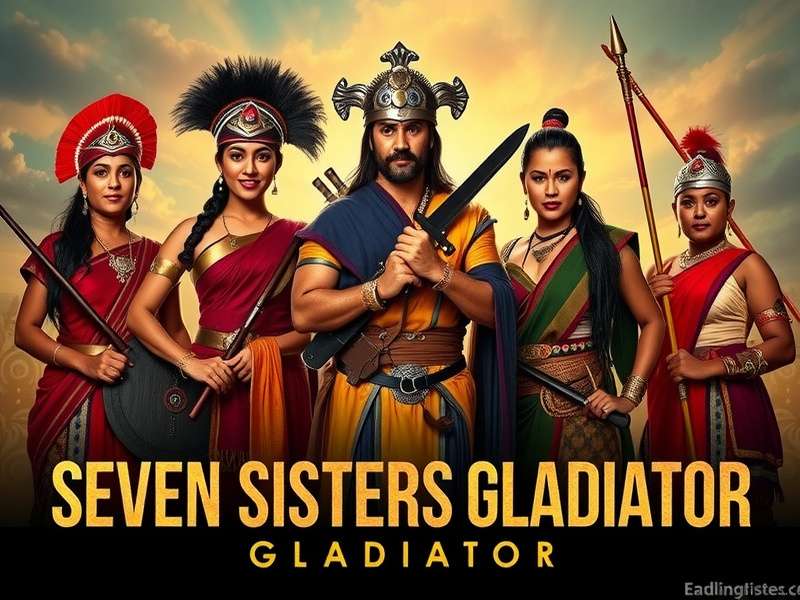
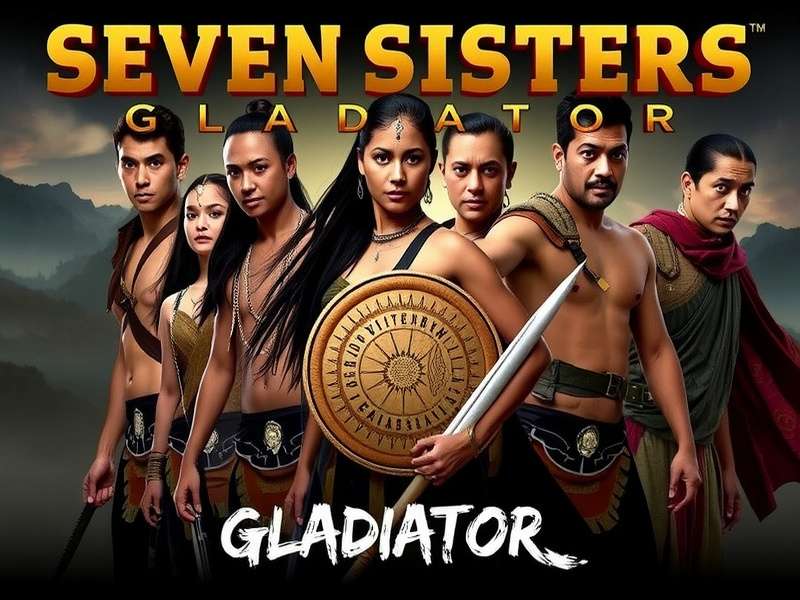
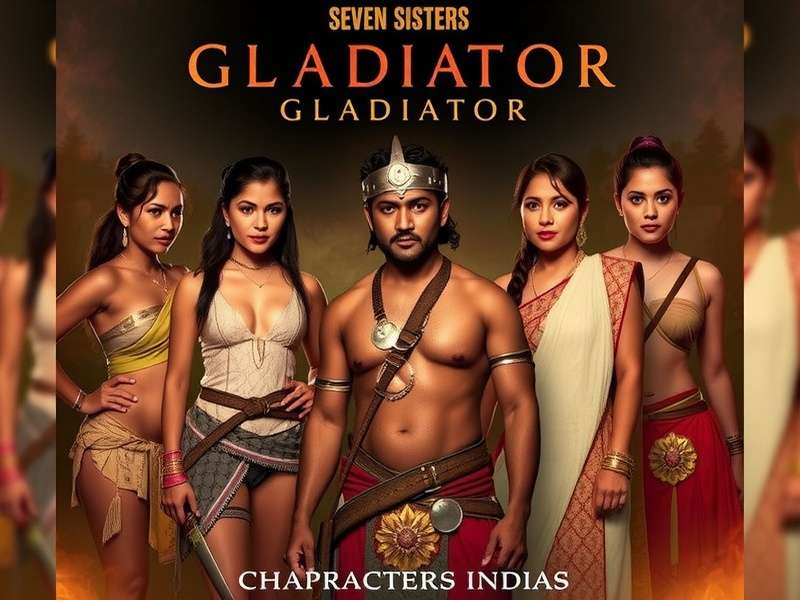
The seven playable characters in Seven Sisters Gladiator are each carefully crafted to represent the culture, traditions, and geography of their respective states. Every character has a unique backstory, appearance, and set of abilities, allowing players to connect with them on a personal level. The developers worked closely with cultural experts from each state to ensure that the characters are portrayed accurately, avoiding stereotypes and celebrating the Northeast’s diversity.
Priya Bora
AssamA former Bihu dancer and village healer, Priya’s life changes when the Asura King’s minions destroy her home. She wields a “jaapi” (traditional Assamese hat) that can be used as a shield and a “dhol” (drum) that summons healing energy.
Abilities:
- Bihu Rhythm: Increases movement speed and attack power for 10s
- Elephant Stampede: Summons three elephants to trample enemies
- Gamosa Heal: Uses a sacred gamosa to heal herself and allies
Rajiv Thapa
Arunachal PradeshA monk from Tawang Monastery, Rajiv is a master of Tibetan martial arts. He left the monastery to fulfill the prophecy and protect his state’s sacred scriptures. He wields a “khukuri” (curved knife) and a prayer wheel that channels spiritual energy.
Abilities:
- Monk’s Fury: Delivers a flurry of melee attacks
- Snow Shield: Creates a wall of ice to block enemy fire
- Prayer Blessing: Grants allies resistance to damage
Maya Sangma
MeghalayaA botanist and environmentalist, Maya has a deep connection with nature. She can communicate with plants and use them to her advantage in battle. She wields a “root whip” made from living root bridge fibers and a bow crafted from bamboo.
Abilities:
- Root Trap: Summons roots to immobilize enemies
- Leaf Camouflage: Blends into foliage to avoid detection
- Healing Vines: Summons vines that heal allies over time
Amar Singh
ManipurA former sportsman and thang-ta martial artist, Amar is known for his speed and agility. He joined the gladiators after his sister was kidnapped by the Asura King’s minions. He wields a thang-ta (sword and shield) and a traditional Manipuri spear.
Abilities:
- Thang-ta Dash: Dashes forward, dealing damage to enemies in the way
- Shield Bash: Uses his shield to stun enemies
- Spear Throw: Throws a spear that pierces multiple enemies
Lalrempuii
MizoramA tribal hunter and tracker, Lalrempuii has sharp senses and is skilled in stealth. She grew up in the forests of Mizoram and can navigate even the densest terrain with ease. She wields a dao (machete) and a bow with poison-tipped arrows.
Abilities:
- Tracker’s Sense: Reveals enemy locations for 5s
- Poison Arrow: Shoots an arrow that poisons enemies over time
- Forest Dash: Moves quickly through dense vegetation

Nokul Ao
NagalandA tribal warrior from the Ao Naga clan, Nokul is a fearless leader with a strong sense of honor. He carries a traditional Naga spear and a gung (firearm) passed down from his ancestors. He joined the gladiators to protect his clan’s ancestral lands.
Abilities:
- Naga War Cry: Boosts allies’ attack power and intimidates enemies
- Spear Charge: Charges forward with his spear, impaling enemies
- Smoke Bomb: Throws a smoke bomb to create cover
Anika Debbarma
TripuraA princess from the Debbarma royal family, Anika is a skilled archer and strategist. She left her palace to fight the Asura King after her father, the king, was injured in an attack. She wields a bamboo bow and a “kukri” knife.
Abilities:
- Royal Arrow: Shoots an arrow that deals critical damage
- Strategic Retreat: Teleports a short distance to avoid danger
- Team Buff: Increases allies’ accuracy and range
Antagonists
While the Asura King is the main villain, Seven Sisters Gladiator features several memorable secondary antagonists, each tied to a state’s folklore:
- Kaal Bhairav: A corrupted Assamese priest who serves the Asura King, using dark magic to control elephants.
- Shadow Wolf: A shapeshifting demon that terrorizes Arunachal Pradesh’s forests, preying on villagers.
- Venom Queen: A Mizo sorceress who can control snakes and other reptiles, guarding the Asura King’s treasure.
- Iron General: A former Manipuri warrior who was corrupted by the Asura King, leading an army of mechanical soldiers.
Each antagonist has a unique boss battle that requires players to use their character’s abilities strategically. For example, to defeat Kaal Bhairav, players must avoid his elephant charges and attack him when he’s vulnerable during his magic incantations.
Development
The development of Seven Sisters Gladiator began in 2021, when PixelPride Studios – a small indie studio based in Kolkata – noticed a gap in the Indian gaming market: a lack of games that celebrated regional culture, especially from Northeast India. The studio’s founder, Rajesh Banerjee, a former game designer at a multinational company, wanted to create a game that would not only entertain but also educate players about the Northeast’s rich heritage.
“We noticed that most desi games either focus on Bollywood or North Indian culture, while the Northeast – with its diverse tribes, traditions, and landscapes – was largely ignored,” Banerjee said in an interview with Gaming India Magazine. “We wanted to change that. Seven Sisters Gladiator is our love letter to the Northeast, a region that’s often misunderstood or overlooked in mainstream media.”
Research and Cultural Authenticity
To ensure cultural authenticity, the PixelPride team spent 18 months researching the Seven Sisters states. This involved:
- Visiting 15+ villages across the Northeast to meet tribal elders, artists, and historians.
- Studying traditional weapons, attire, and dances to replicate them accurately in the game.
- Consulting with linguists to include regional languages (Assamese, Manipuri, Mizo, etc.) in voiceovers and text.
- Collaborating with the Northeast Tourism Development Council (NTDC) to ensure that the game’s maps and landmarks were portrayed correctly.
One of the biggest challenges was balancing authenticity with gameplay. For example, the team wanted to include traditional weapons like the dao and lathi but had to ensure they were balanced against modern guns. “We tested hundreds of weapon combinations to make sure that traditional weapons weren’t overpowered or underpowered,” said lead game designer, Priya Sharma. “In the end, we gave each traditional weapon unique perks – like the dao dealing more damage in close combat – to make them viable choices.”
The team also faced challenges in representing the Northeast’s diversity without reducing it to stereotypes. “We didn’t want to portray the Northeast as a ‘primitive’ region,” Banerjee explained. “Instead, we showed the blend of tradition and modernity that exists there – for example, a character from Assam who wears a saree but also uses a smartphone.”
Collaboration with Daman Games
In 2023, PixelPride Studios partnered with Daman Games, one of India’s leading mobile gaming publishers, to fund and market the game. Daman Games provided the studio with resources to expand the team (from 15 to 35 members) and access to a large user base through its existing platforms.
“Daman Games was the perfect partner for us,” Banerjee said. “They shared our vision of creating a culturally authentic game and understood the potential of the Northeast theme. Their marketing expertise helped us reach gamers across India, including tier-2 and tier-3 cities where regional content resonates strongly.”
Daman Games also helped the team optimize the game for mobile devices, ensuring that it ran smoothly on low-end smartphones – a crucial factor in India, where most gamers use budget devices. The publisher’s data analytics team provided insights into player preferences, which the developers used to tweak gameplay mechanics and add features like Low Data Mode.
Development Timeline
PixelPride Studios conceptualizes Seven Sisters Gladiator, inspired by a team member’s trip to Assam.
Research phase: Team travels to Northeast India, consults with cultural experts, and collects reference material.
Prototype development: Core gameplay mechanics, character designs, and map layouts are finalized.
Partnership with Daman Games is announced; funding and marketing support secured.
Full development: Storyline is finalized, voiceovers are recorded, and gameplay is polished.
Closed beta testing with 10,000 players across India; feedback is used to fix bugs and balance gameplay.
Open beta launch on Google Play Store; 500,000 downloads in two weeks.
Official release of Seven Sisters Gladiator on Android, iOS, and PC.
First season update (“Hornbill Festival”) launches with new characters and maps.
Technical Challenges
Developing Seven Sisters Gladiator presented several technical challenges, especially for a small studio like PixelPride:
- Map Size and Optimization: Creating a 10km x 10km map with detailed textures and interactive elements required careful optimization to ensure it ran on mobile devices. The team used procedural generation for some parts of the map to reduce file size.
- Regional Language Support: Adding support for six regional languages (in addition to Hindi and English) required working with local voice actors and translators to ensure accuracy. The team also had to adapt the game’s UI to support different script systems.
- Multiplayer Servers: Ensuring smooth multiplayer gameplay across India’s diverse internet infrastructure was a major challenge. The team partnered with a local server provider to set up servers in multiple locations (Delhi, Mumbai, Kolkata, Guwahati) to reduce latency.
Despite these challenges, the team’s focus on accessibility paid off. Seven Sisters Gladiator runs on devices with as little as 2GB RAM, making it accessible to a wide range of players.
Reception
Seven Sisters Gladiator has received widespread acclaim from both critics and players since its release, praised for its cultural authenticity, engaging gameplay, and commitment to representation. The game has been a commercial success, crossing 10 million downloads in India within six months of its release and generating over ₹50 crore in revenue through microtransactions.
Critical Acclaim
“Seven Sisters Gladiator is a game-changer for desi gaming. It’s not just a battle royale – it’s a celebration of Northeast India’s culture, told through engaging gameplay and well-written characters. The attention to detail is impressive, from the traditional weapons to the regional language support. This is the kind of game India needs more of.”
“PixelPride Studios has created something special with Seven Sisters Gladiator. The game’s blend of traditional and modern elements works surprisingly well, and the cultural abilities add a unique twist to the battle royale formula. The only downside is that the single-player campaign is a bit short, but the multiplayer mode more than makes up for it.”
“As someone from Assam, it’s amazing to see my culture represented in a mainstream game with such respect and accuracy. Priya Bora feels like a character I can relate to, and the Assam-themed map brings back memories of home. Seven Sisters Gladiator is more than a game – it’s a source of pride for the Northeast.”
“Seven Sisters Gladiator is one of the most optimized battle royale games on mobile. It runs smoothly on budget devices, and the Low Data Mode is a game-changer for players in rural areas. The gameplay is fast-paced and fun, and the cultural elements add a layer of depth that’s missing from most other battle royales.”
Player Feedback
Player reviews on Google Play Store and Apple App Store have been overwhelmingly positive, with many praising the game’s cultural representation and accessibility. Some of the most common positive comments include: